groups Lean AI for Teams
And rarely in a way the rest of the team can learn from. The time saved stays in one person's day. The hard problems still wait. We change that on your real work, with your people doing it.
For CI leaders, transformation offices, and work group leads
Bring a team and a few real problems. We start on site, with your sponsor in the room.
What we see on the floor
Output that looks finished and isn't. It moves downstream, and someone else pays to fix it. That's a defect passed on, with a nicer font.
Ask AI for fixes and you get fifty plausible ones. Nobody found the root cause. The team sprays solutions and the problem comes back.
Everyone has their own prompts and their own tricks. People get better, one at a time. With no standard work and no leader routine to surface it, spreading is a hope, not a habit.
How it works
The problem you're solving shapes the work. Some teams need to see where AI pays off in their tasks. Some need sharper problem solving on a problem that keeps coming back. Either way, your people do the work, on live problems, with a coach beside them.
If you know Training Within Industry, you will recognize the method. It is the one behind Toyota's job instruction, and it has not needed replacing.
01
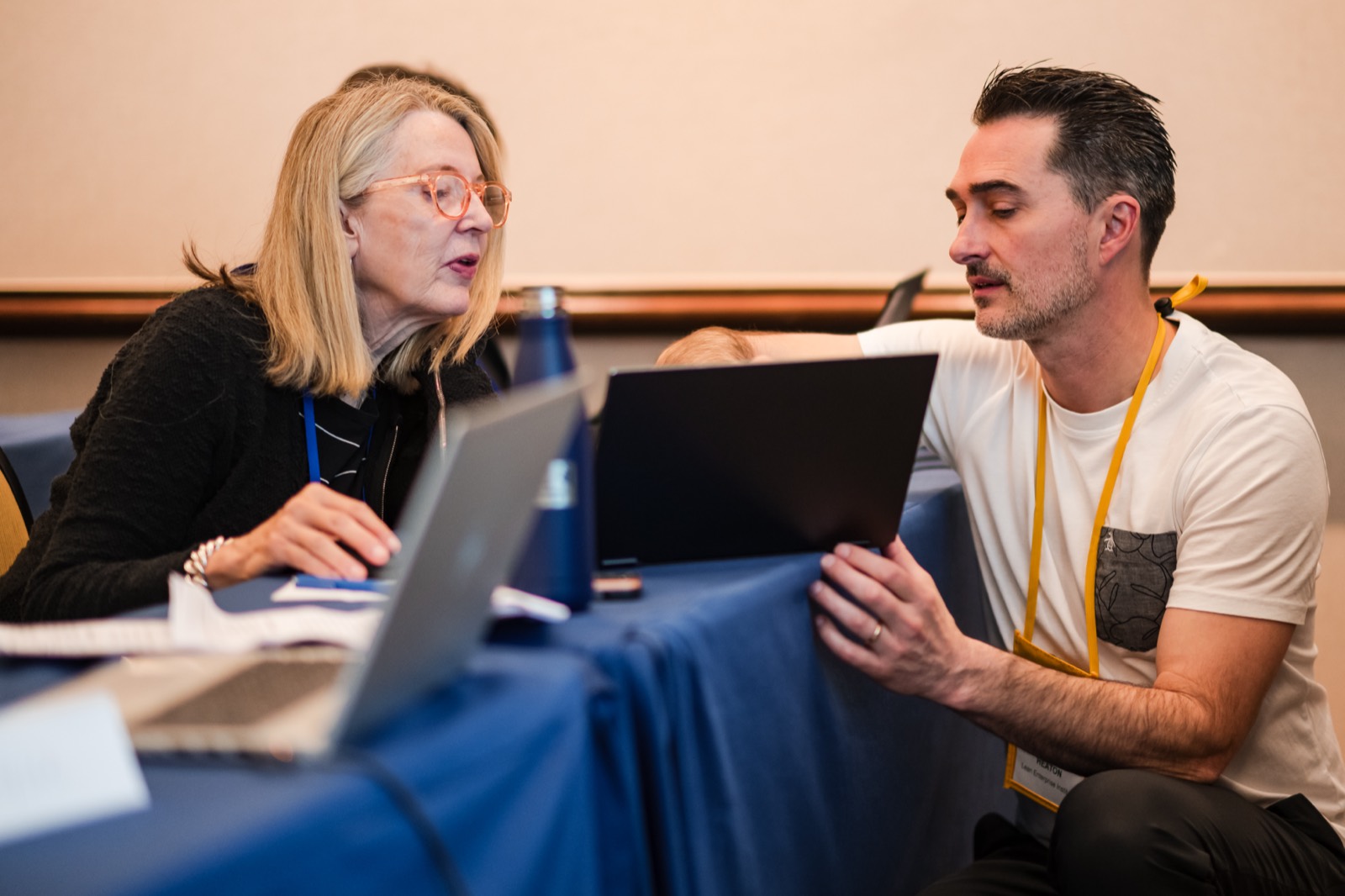
Ideally on site: a hackathon on your real problems, with your sponsor in the room. It is the gemba for AI capability. It shows where your team is and what's blocking them.
02
Your people bring their problems; we coach them to work them well. That might be A3 problem solving, or building tools the team will use.
03
We help a few early adopters get out ahead. They become mentors to the rest, and open a layer of collaboration with your technology and systems teams on real problems and customer value.
04
Your early adopters coach the rest, and the standards hold. We check in and coach as needed, and step back as you take it on.
What builds as you go
Develop the skill. Don't rent it.
Build your people's capability now
Don't wait for the technology to land. Teach your people now, on real problems, with these principles.
AI that coaches. Not AI that does the thinking. The coach asks the next good question. The person still does the seeing and the deciding.
Portable, and yours. Coaches and skills take whatever form fits your work: editable files, an app in the workflow, an agent in your own systems. Your people know how to use them, edit them, and improve them. Your data stays where it is.
Countermeasures tied to causes. Not fifty AI suggestions with no link to the problem or the customer. Find the causes that matter, test countermeasures against them, and make what works standard.
Judge it by what people can do after. Better outcomes are a given. But if your people don't gain understanding, control, and the ability to improve the work as the technology changes, you lose the ability to adapt.
Read the method
Art Smalley
The new PDCA. The person owns the prompt, the check, and the act. Stopping at the model's answer is plan, do, and quit.
Art Smalley
Four types of situation, and where AI is strong, middling, or weak. Match the tool to the problem, not the other way around.
Tyson Heaton
A three-part series. Why renting engineers rebuilds the planning department, and what to develop in your own people instead.
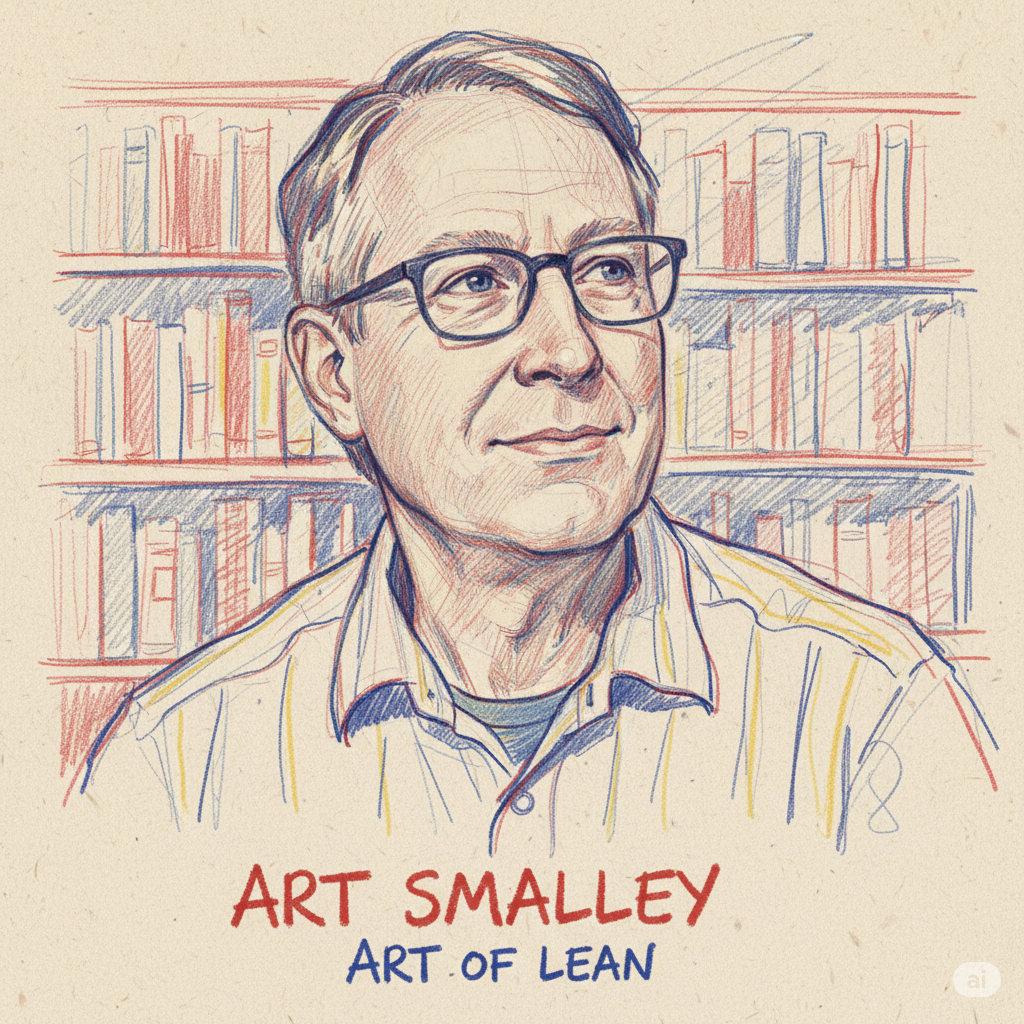
Art was one of the first Americans to work for Toyota in Japan. He built the AI coaching tools this work runs on, and he holds them to the standard of faithful lean method.
Meet the faculty arrow_forwardProblems keep coming back because the flow itself is broken? That is a value stream question.
Lean AI for Value Streams arrow_forwardWe'll look at the work together and tell you honestly where AI belongs, and where it doesn't.