Weekly insights on lean thinking applied to technology transformation. Practical guidance from practitioners who've been there. No hype.
Join 30,000+ practitioners receiving weekly insights. No spam.
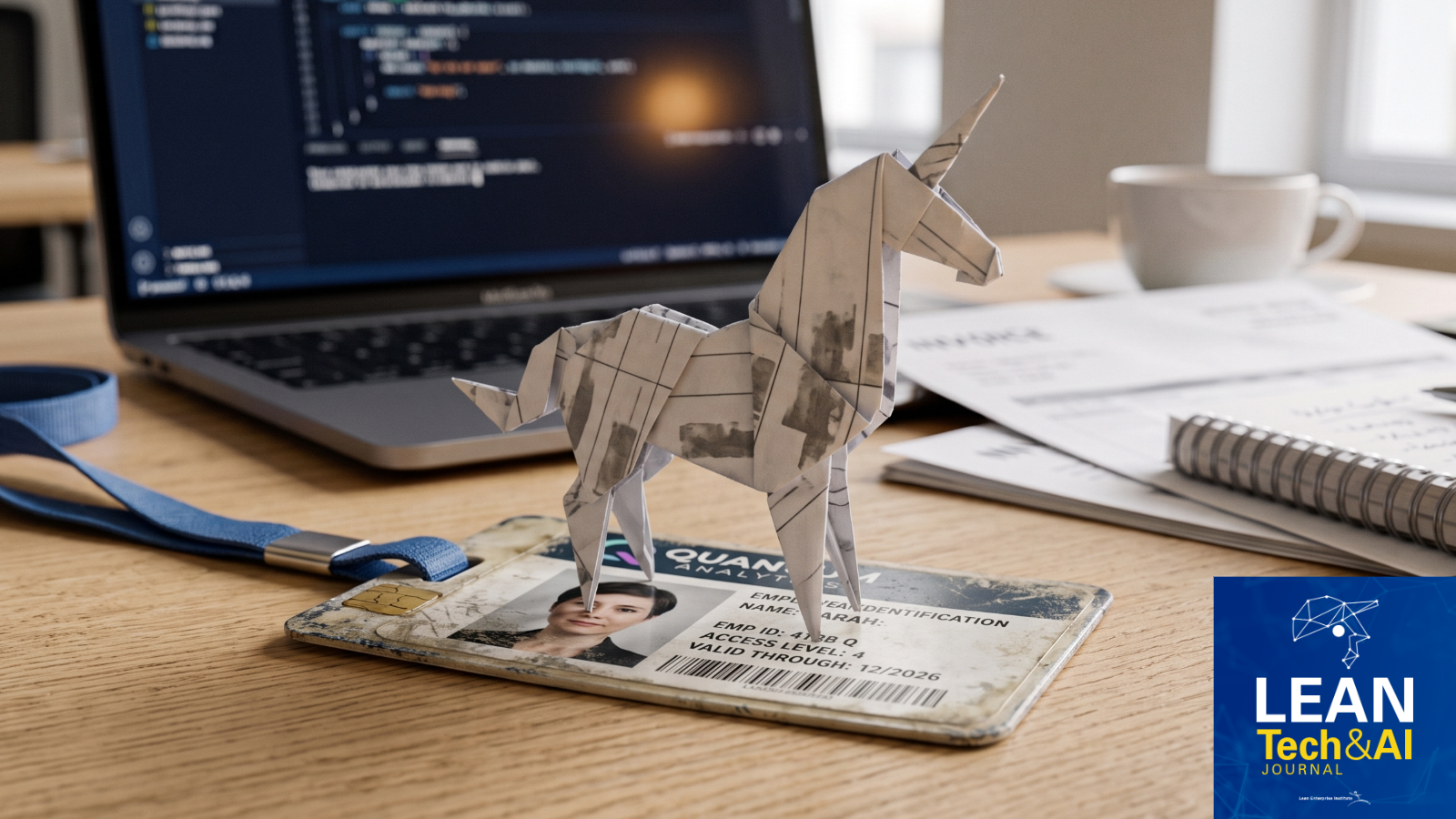
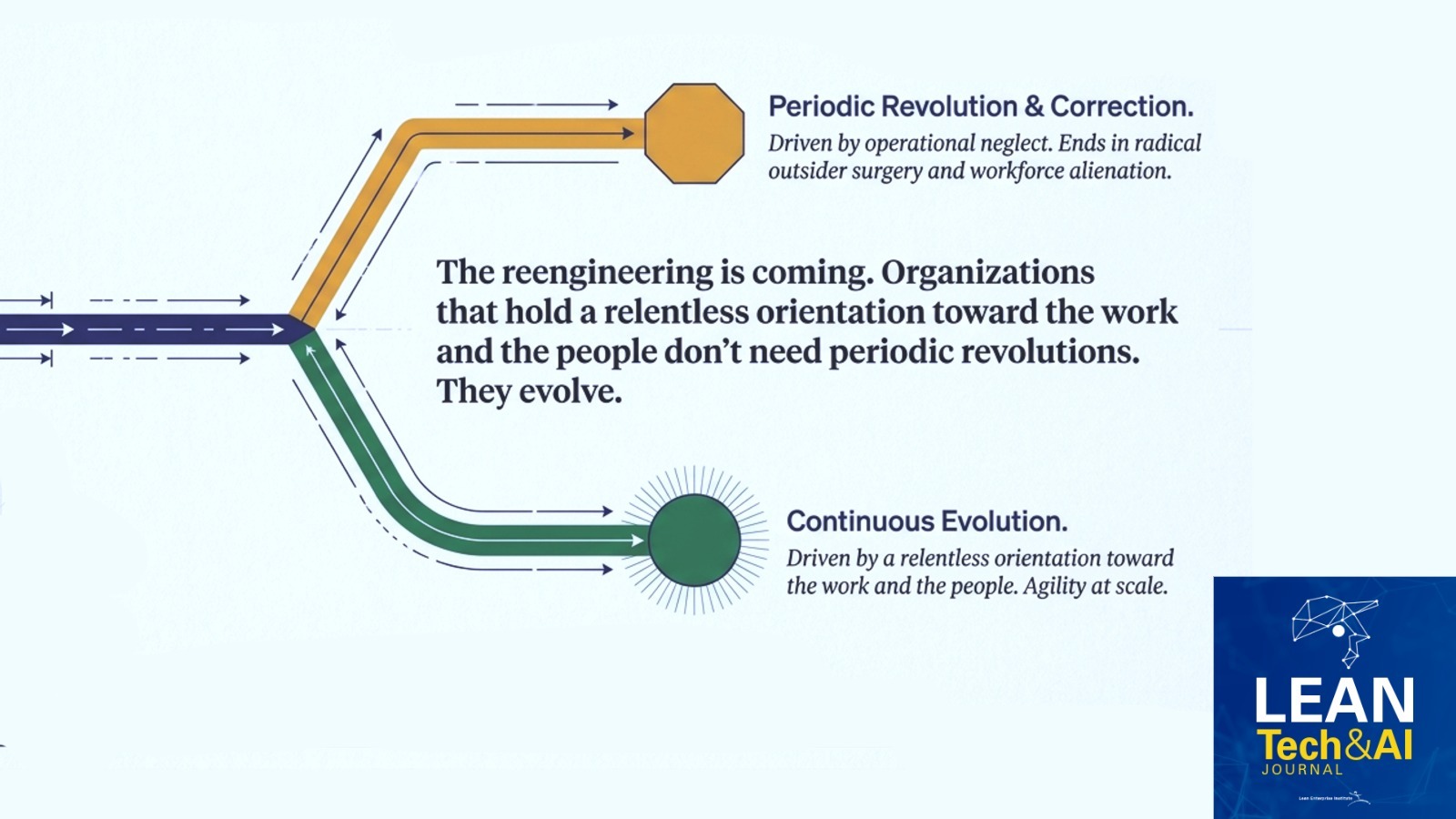
A forward deployed engineer is dropped into your domain. A forward developed one is built out of it. This is the final part of a series1 on the forward deployed engineer. Part 1 followed the money into the role and asked who owns the intelligence that compounds. Part 2 traced the pattern from Frederick Winslow Taylor and the soldiering it produced through Meta this spring. I then observed that in Toyota the capability to improve the work has been built into the people doing it; this final part is about doing that on purpose.
Read Article arrow_forward
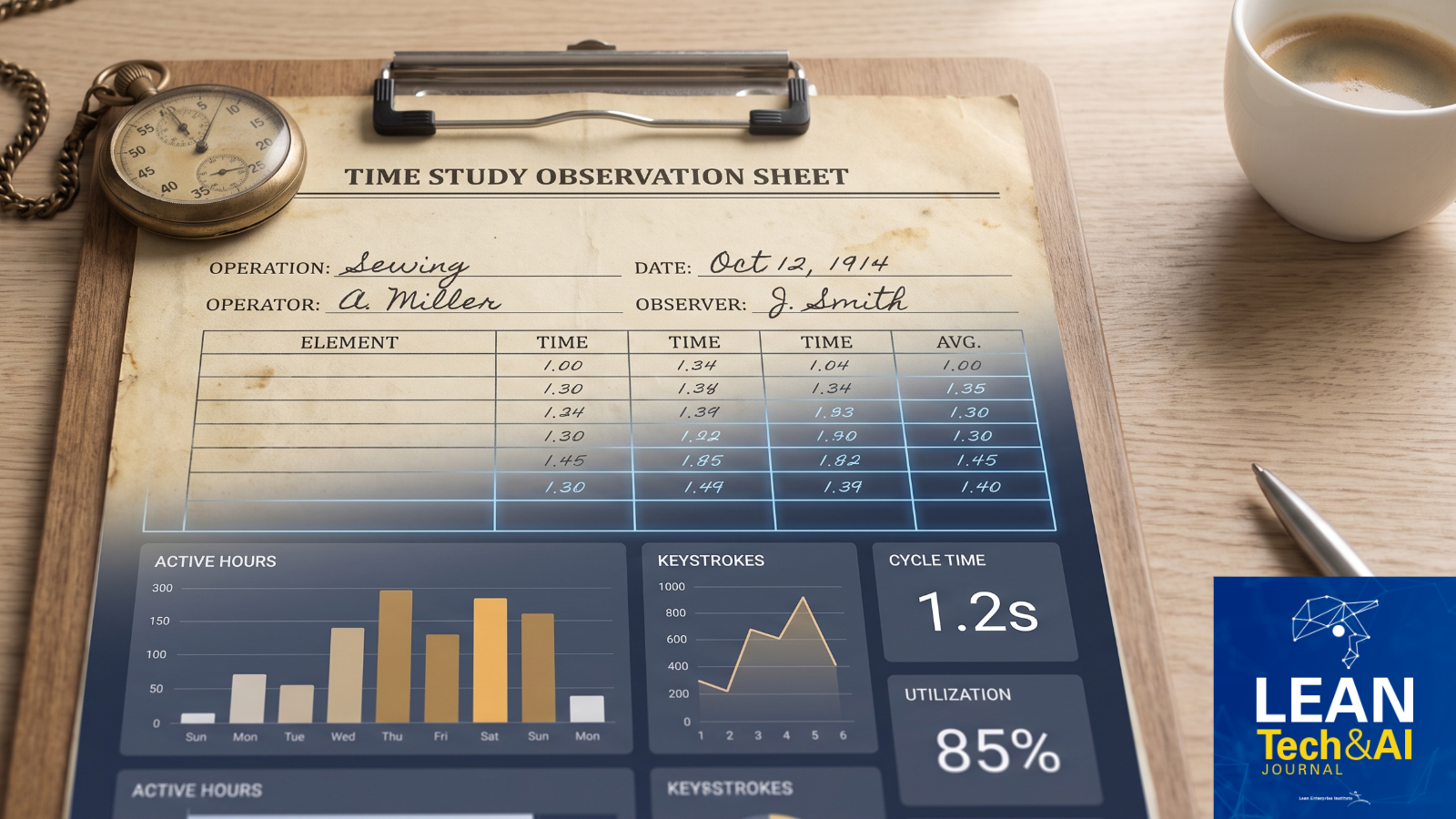
A forward deployed engineer is dropped into your domain. A forward developed one is built out of it. This is the final part of a series1 on the forward deployed engineer. Part 1 followed the money into the role and asked who owns the intelligence that compounds. Part 2 traced the pattern from Frederick Winslow Taylor and the soldiering it produced through Meta this spring. I then observed that in Toyota the capability to improve the work has been built into the people doing it; this final part is about doing that on purpose.
Read Article arrow_right_alt
The choice between renting expertise and building it is a century-old decision, and both experiments have run at scale. Only one of them compounded.
Read Article arrow_right_alt
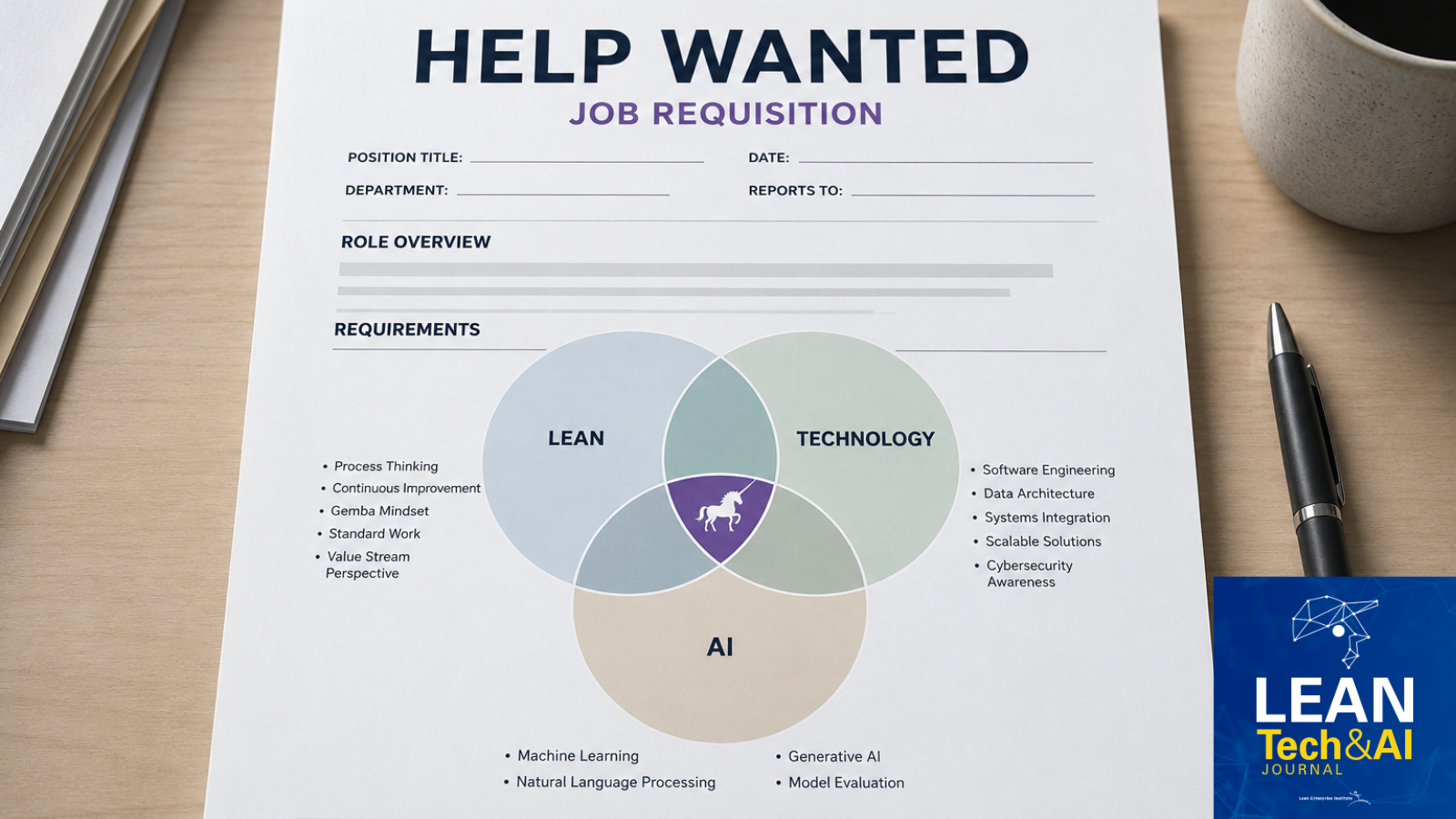
Everyone is hiring for a skill set that barely exists. The capability you need is already on your payroll. This first article of a three-part series[1] examines the role of forward deployed engineers (how they work and the expense and information ownership associated with these individuals) at companies embracing AI vs. developing AI capabilities inhouse with the people who do the work.
Read Article arrow_right_alt
The PDCA loop that every lean person already knows also applies to working with a large language model (LLM), but with Prompt replacing Plan. The model does the Do. Check and Act stay mainly with you. Our previous article (“Prompt, Do, Check, Act”) covered this loop at a higher level; today we go deeper into the most important part of it, the initial prompting and discussion with the model for best results. We will use problem solving as an example throughout, as anyone can relate to the topic.
Read Article arrow_right_alt
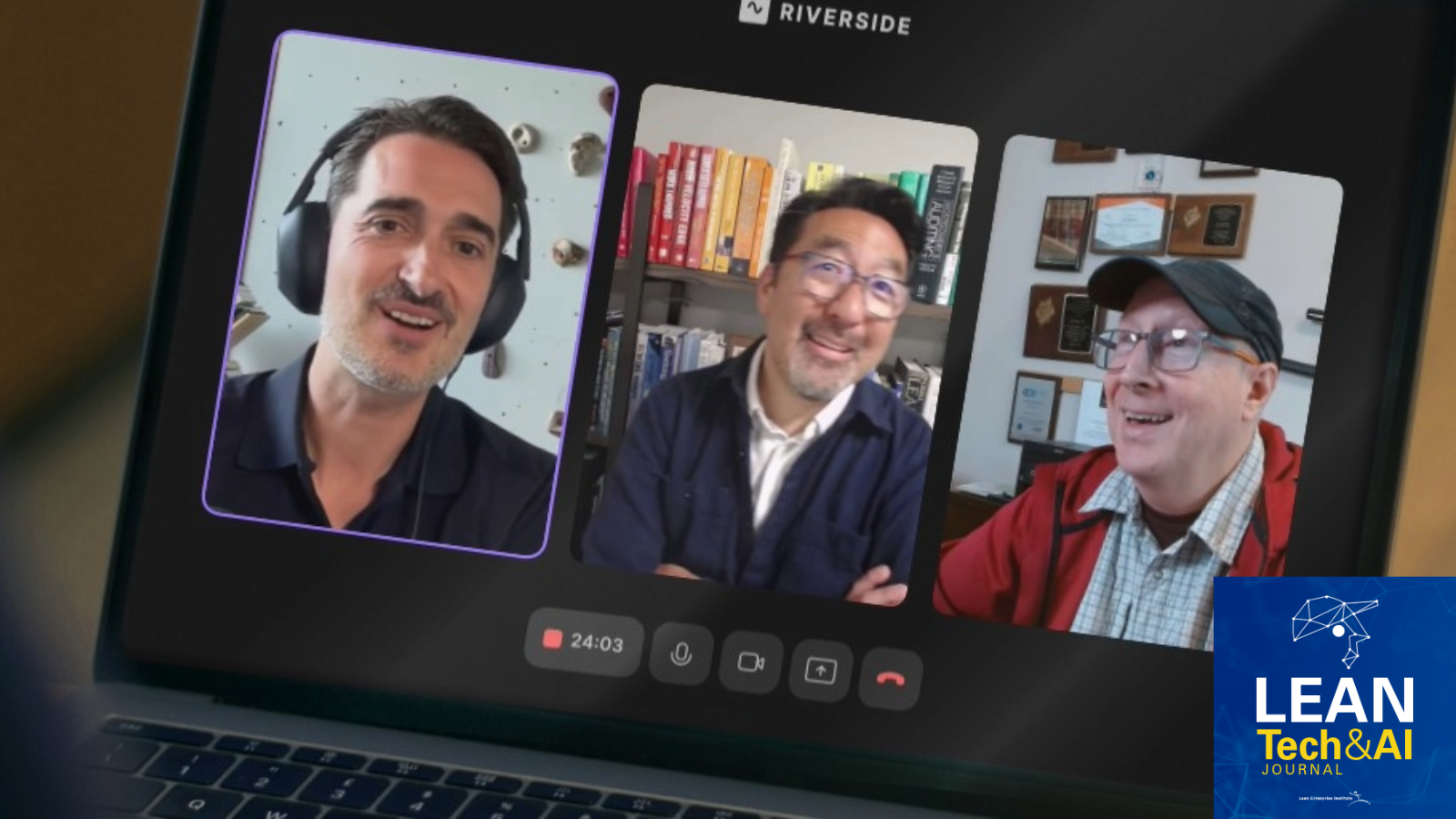
Gene Kim, DevOps leader and co-author of Wiring the Winning Organization, joins Tyson Heaton, LEI Executive Director of LeanTech/AI, and Art Smalley, Toyota veteran and LEI advisor, for a lively, enlightening, and wide-ranging conversation about artificial intelligence. They discuss how AI is forever changing the work of individuals and organizations, and explore the good, bad, and ugly of AI today and tomorrow.
Read Article arrow_right_alt
In 1987, Nobel laureate Robert Solow made an observation that still echoes: "You can see the computer age everywhere but in the productivity statistics."1
Read Article arrow_right_alt
There is a moment in lean transformation work that almost every practitioner has experienced. You have made real progress on the floor, in the office, or in the clinic. Flow is improving. Waste is visible. People are solving problems. And then you hit a wall, and the wall is technology.
Read Article arrow_right_alt
AI isn't just disrupting work — it's exposing the organizational immune system. Tyson Heaton reveals who's blocking progress and who's quietly building it.
Read Article arrow_right_alt
9 of 0 articles shown
The Journal is just the beginning. Book a conversation with our team to explore how lean thinking can accelerate your organization's technology transformation.
Start a Conversation →